Chingford Station rubbish removal guide for flats in E4
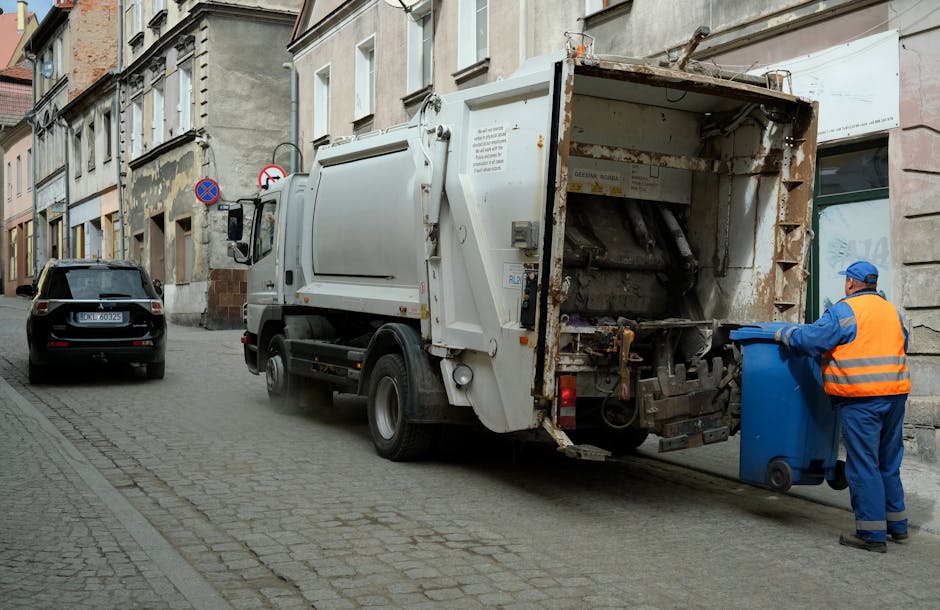
If you live in a flat near Chingford Station, rubbish removal can feel more awkward than it should. Stairs, narrow hallways, bin stores that are already full by Friday, neighbours who quite rightly do not want bags left in the corridor - it all adds up. This Chingford Station rubbish removal guide for flats in E4 is here to make the whole thing simpler, whether you are clearing one bulky item or a full flat after a long-overdue tidy-up.
In practice, the best approach depends on what you are getting rid of, how quickly it needs to go, and how easy it is to get waste out of the building. Below, you will find a clear explanation of the options, the common mistakes to avoid, and the most sensible way to handle rubbish in a flat without creating hassle for yourself or anyone else in the building.
Why Chingford Station rubbish removal guide for flats in E4 Matters
Flats bring a few extra moving parts that houses do not. Waste has to travel through shared spaces, lifts may be small or unavailable, and there is often very little room to stage bags and bulky items while you wait for collection. If you leave the job too late, one messy corner can quickly turn into a full-blown blockage in the hallway. Nobody wants that on a Tuesday evening, especially when everyone is trying to get home with shopping and a coffee that is already going cold.
There is also the simple reality that flats near Chingford Station often sit in busier residential pockets, so timing matters. A rushed job can mean noisy dragging, blocked access, or items left outside at the wrong time. A planned approach avoids that stress. It also reduces the chance of damage to communal flooring, lift doors, skirting boards, or the sort of chipped paint that becomes a silent source of neighbourly tension.
For many residents, the real issue is not just getting rubbish out. It is getting it out cleanly. That means choosing the right removal method, understanding what can and cannot go into a load, and making sure the building rules are respected. If you are unsure about the exact type of waste, pages like what can go in a skip and rubbish removal can help you narrow down the right route before you book anything.
Expert summary: For flats, the smartest rubbish removal plan is the one that fits the building, not just the waste. Access, timing, neighbours, and building rules all matter just as much as the load itself.
How Chingford Station rubbish removal guide for flats in E4 Works
The process usually starts with a quick assessment of what you need removed. A few bin bags from a declutter is very different from a flat clearance after a move, and both are different again from builders' debris after a refurbishment. Once you know the volume and type of waste, you can choose the most practical collection method.
For flat-based waste, the most common options are:
- Man and van collection for smaller loads, mixed household rubbish, or awkward items.
- Wait and load when parking is tight and you want the waste loaded immediately.
- Skip hire if the volume is larger and your building layout allows safe placement.
- Grab hire where the waste is easier to place at ground level or there is bulk material outside.
In flat developments, the tricky bit is access. A collection crew may need to navigate stairs, shared entrances, coded doors, lift usage rules, or limited loading windows. To be fair, this is where a little planning saves a lot of grief. If the waste includes awkward household items such as an old sofa, mattress, or appliance, specialist collection can make life much easier. Relevant service pages include mattress and sofa disposal and fridge and appliance removal.
Sometimes, the simplest answer is not a skip at all. In a flat with no proper place for a skip, or where the building layout makes a skip awkward, a wait and load skip hire arrangement can be far less stressful. The team arrives, loads the waste, and removes it without leaving a container behind. That can be a neat solution when space is tight and everyone is watching the clock.
Key Benefits and Practical Advantages
There are a few very clear reasons why a structured rubbish removal plan works well for flats in E4.
1. Less disruption for neighbours
Shared buildings are sensitive to mess, noise, and blocked access. A proper collection keeps the process short and tidy. That alone can make the difference between a smooth day and a grumpy one.
2. Better use of limited space
Flats rarely have the luxury of a driveway or side return. Choosing the right removal method means you do not need to store waste in your living room for three days, which is a little grim, frankly.
3. Safer handling of heavy or awkward items
Large bags, broken furniture, white goods, and refurbishment waste can be difficult to move through stairwells. Professional removal reduces the risk of damage and personal injury.
4. More predictable timing
When you live in a flat, timing matters. You may need the waste gone before a lease exit inspection, a new tenant move-in, or a weekend family visit. Same-day or planned collection can be a real relief. For urgent jobs, same day skip hire may be useful in the right circumstances.
5. Cleaner final result
There is something deeply satisfying about seeing a cluttered flat become open and calm again. The air feels better. The floor looks bigger. Suddenly you can hear yourself think. Small win, but an important one.
Who This Is For and When It Makes Sense
This guide is for anyone in a flat near Chingford Station who has waste to clear but does not want a messy, drawn-out process. That includes tenants, leaseholders, landlords, letting agents, and property managers. It also helps if you are dealing with one-off clutter or a larger project that has generated more rubbish than expected.
It makes particular sense in these situations:
- You are moving out and need a quick clear-up.
- You have accumulated mixed household rubbish over time.
- You are replacing furniture and need the old items removed.
- You are clearing a storage cupboard, spare room, or balcony.
- You are handling a flat renovation and need builders' waste collected.
- You need a practical option because the building has no easy skip space.
If your job is more of a complete property clear-out, it may overlap with house clearance or garage and loft clearance style services, even though the setting is a flat rather than a house. In real life, these jobs often blur together a bit. A cupboard clear-out turns into a bedroom clear-out, then suddenly you are staring at three chairs, a broken hoover, and a box of cables nobody can identify. It happens.
Step-by-Step Guidance
If you want the process to feel manageable, break it into a few simple steps.
- List what needs removing. Separate general rubbish, bulky furniture, appliances, cardboard, and any renovation debris.
- Check the building layout. Is there a lift? A service entrance? Any time restrictions for using communal areas?
- Think about volume. A few bags can be handled very differently from a full room clear-out.
- Check for restricted items. Hazardous waste, certain chemicals, and some electrical items need special handling.
- Choose the collection method. Use skip hire, man and van, wait and load, or another suitable option based on the site conditions.
- Prepare the route. Clear the hallway, protect flooring if needed, and keep doors open only if it is safe to do so.
- Set a realistic time slot. A short, calm window is better than trying to squeeze the job into a rushed lunch break.
- Confirm disposal details. Make sure the waste will be handled responsibly and in line with the service provider's policies.
A sensible first step for many flat owners is to compare the service types on skip hire and man and van. Those two routes cover a surprisingly wide range of situations, especially in a densely used residential building.
If your items are bulky but not especially numerous, one clever tactic is to sort everything before collection day. That avoids standing in the corridor asking, "Does this broken lamp go with the metal, the wood, or the mysterious bits?" If you know, you know.
Expert Tips for Better Results
Plan around the building, not just the rubbish. This is the big one. A removal that works perfectly in a house can be a poor fit for a flat if access is awkward or parking is limited. Always think about the route out of the property.
Use the right method for the waste type. Do not force a skip solution where a van collection or wait-and-load option is cleaner and easier. Likewise, do not book a tiny collection for a job that clearly needs more capacity.
Be honest about mixed loads. Mixed rubbish is common in flats, especially during moves. Make sure the provider knows if the load includes furniture, appliances, broken DIY waste, or bagged household rubbish. That helps avoid delays.
Separate anything sensitive early. Documents, old bank statements, and personal papers should be removed from general waste before the collection day. If you need a dedicated approach, confidential shredding is worth considering for private paperwork.
Keep an eye on bulky items. Sofas, mattresses, and white goods often need special handling. If you leave them for "later", later can become never. And then they are just in the way, quietly judging you.
Ask about recycling. A good service will sort reusable or recyclable material where possible. If sustainability matters to you - and it should, really - you may want to look at recycling and sustainability before booking.
Common Mistakes to Avoid
Flat clearances go wrong in predictable ways. The good news? They are easy to avoid once you know what to watch out for.
- Leaving rubbish in the corridor "just for a bit". In shared buildings, that usually creates friction and can also block escape routes.
- Underestimating the load. A small pile can become a much bigger pile after you start sorting it.
- Booking the wrong service. Skip hire is not always the best answer, and wait and load is not always enough.
- Forgetting building rules. Some developments have specific access times, loading instructions, or permit requirements.
- Mixing prohibited items with general waste. That can create compliance issues and extra cost.
- Ignoring heavy items. A sofa on the second floor is not the same as a bag of clothes. Obvious, yes, but easy to forget in the moment.
One recurring problem is trying to do everything in one frantic hour. It sounds efficient. It usually is not. A calmer, staged approach is almost always better. A flat clear-out tends to reward patience more than speed.
Tools, Resources and Recommendations
You do not need a huge toolkit to manage rubbish removal well, but a few basics help a lot.
- Heavy-duty bin bags for general household rubbish.
- Gloves for safe handling of sharp or dusty items.
- Label tape or marker pens to separate keep, donate, recycle, and dispose piles.
- A tape measure for checking whether bulky furniture will fit through a lift or stairwell.
- Furniture sliders or a sack truck if you are moving items to a loading point.
- Floor protection such as cardboard or covers if communal areas are tight.
On the service side, it is worth comparing a few options before you decide. For example, skip sizes and prices can help you judge whether a small or medium skip is more suitable, while wait and load skip hire may suit a building with limited space. If the load is more like a standard house or flat clearance, rubbish removal can be the more straightforward route.
For larger or heavier work, especially renovation waste, builders waste removal or construction waste disposal may be more appropriate. That distinction matters. Bricks, timber offcuts, plasterboard, and packaging all behave differently in a load, and the right service makes the whole thing safer and tidier.
Law, Compliance and Best Practice
When you are disposing of waste in the UK, the safest approach is to assume that duty of care applies throughout the process. In plain English: the waste should be passed to a legitimate carrier, and you should be able to show that you handled it responsibly. That is especially relevant for landlords, letting agents, and anyone managing waste on behalf of other people.
For flats, best practice usually includes:
- keeping shared areas clear and safe;
- avoiding obstruction of fire exits or communal access routes;
- separating hazardous or restricted waste from general rubbish;
- checking whether a skip permit or parking arrangement is needed;
- making sure any contractor is properly insured and clear about the process.
If a skip is placed on a road or another shared public space, permits may be required. The practical details vary, so it is worth reviewing skip permits and skip hire permits before committing to a roadside solution. That avoids the classic "we thought it was fine" conversation, which nobody enjoys.
There is also a safety element that is easy to overlook. Waste removal often involves lifting, carrying, and manoeuvring items in tight spaces. A reputable provider should take this seriously. If you want a sense of the standards and safeguards involved, health and safety policy and insurance and safety are useful pages to review before booking.
For waste that should not go into standard mixed rubbish, use specialist handling. That includes items like fridges, appliances with gas or coolant, and materials that may fall into hazardous categories. A quick look at hazardous waste disposal can help you understand when a separate route is needed.
Options, Methods, or Comparison Table
If you are deciding between collection methods, a simple comparison helps. The best choice is usually the one that matches your building layout and the amount of waste you have.
| Method | Best for | Strengths | Possible drawback |
|---|---|---|---|
| Rubbish removal / man and van | Small to medium flat clear-outs, mixed household waste | Flexible, quick, minimal disruption | May need more than one load for bigger jobs |
| Wait and load | Buildings with poor skip access or limited parking | No container left behind, efficient in tight spaces | Needs the waste ready to load within the agreed time |
| Skip hire | Larger volumes, longer clear-outs, renovation debris | Useful capacity, good for staged loading | May need permit or suitable placement space |
| Grab hire | Bulkier waste placed at ground level | Fast loading for heavier material | Less suitable for waste deep inside a flat |
If your flat is in a building with awkward access, enclosed and lockable skip hire may also be worth a look, especially if security or weather protection is a concern. It is not always the answer, but for some sites it makes a lot of sense.
Case Study or Real-World Example
Here is a realistic example based on the kind of job that comes up all the time. A resident in a second-floor flat near Chingford Station has been slowly clearing out after a move. There are six bags of general rubbish, an old mattress, a broken bedside table, and a fridge that no longer works. The building has a narrow stairwell, a shared entrance, and very little on-street space outside.
At first glance, it sounds like a simple skip job. But once you factor in access, the fridge, and the limited parking, a different approach starts to look smarter. A mixed rubbish removal service with appliance collection may be quicker and cleaner than trying to place a skip outside. If the hallway is protected and the items are ready by the entrance, the whole job can be done in a tidy window without annoying the neighbours.
In a case like that, the resident could combine fridge and appliance removal with mattress and sofa disposal if needed, and then use rubbish removal for the remaining bags. That is often more practical than trying to make one oversized solution do everything. Simple, really. Just not always obvious at first.
Practical Checklist
Use this checklist before collection day so the job runs smoothly.
- Sort items into rubbish, bulky waste, recycling, and keep piles.
- Remove any confidential papers or personal documents.
- Check lift size, stair width, and entrance access.
- Confirm whether the building allows waste staging in communal areas.
- Measure large items like sofas, wardrobes, or appliances.
- Separate hazardous, electrical, or specialist waste.
- Decide whether skip hire, wait and load, or van collection suits the space.
- Review permit or parking needs if a skip or vehicle will be stationed outside.
- Protect flooring if items must pass through shared spaces.
- Have the waste ready before the team arrives.
If you want a broader residential clear-out, you may also find the approach used for domestic skip hire helpful, especially when you are dealing with more than just a few bags.
Get a free quote today and see how much you can save.
Conclusion
Rubbish removal for flats near Chingford Station does not need to be complicated, but it does need a bit of thought. The best results usually come from matching the collection method to the property, the amount of waste, and the practical realities of shared access. That simple shift - planning for the building, not just the rubbish - saves time, avoids friction, and makes the whole process far less stressful.
Whether you are clearing a single awkward item or a full flat, the key is to choose a method that fits the space and the pace of your day. Keep it tidy, keep it safe, and do not leave the job half-finished. You will feel better for it, honestly. A clear flat has a way of making everything else feel lighter too.
Frequently Asked Questions
What is the best rubbish removal option for flats near Chingford Station?
It depends on access and waste volume. For smaller mixed loads, man and van or rubbish removal is often easiest. For larger jobs, skip hire or wait and load may be better.
Can I use skip hire for a flat in E4?
Yes, sometimes. But it depends on whether there is a safe place to put the skip and whether any permit or parking arrangement is needed. In tight residential streets, another method may be simpler.
Do I need a permit for rubbish removal from a flat?
Usually not for a van collection. You may need a permit if a skip is placed on public land or a road. It is always worth checking the setup before booking.
What should I do with a mattress or sofa?
Use a disposal service that handles bulky items properly. Mattresses and sofas are awkward to move through flats, so specialist collection is often the most practical choice.
Can I put electrical items in general waste?
Not usually. Appliances and electricals often need separate handling. Fridges, in particular, should be collected through an appropriate appliance removal route.
What if I have confidential papers to get rid of?
Keep them out of the general rubbish stream and use confidential shredding if needed. That is the safer option for personal or business paperwork.
Is wait and load good for flats?
Very often, yes. It works well where space is tight and you do not want a skip sitting outside the building. The waste is loaded immediately, so it suits time-sensitive jobs.
How do I avoid upsetting neighbours during rubbish removal?
Pick a sensible time slot, keep communal areas clear, protect flooring where necessary, and make sure the waste is ready before the team arrives. A little consideration goes a long way.
What if I have builders' waste from a flat renovation?
That may need a different service from general household rubbish. Builders' waste removal or construction waste disposal is often more suitable for rubble, timber, and similar material.
Can one collection handle mixed waste from a flat clear-out?
Often yes, but it depends on the mix of items. If you have furniture, bagged rubbish, and appliances together, tell the provider in advance so they can plan the right vehicle and loading method.
Is same-day rubbish removal possible?
Sometimes it is, especially for smaller loads or straightforward access. If your job is urgent, same day skip hire or a rapid collection option may be available, but it is best to check early in the day.
How can I tell which service is right for my flat?
Start with three questions: how much waste do you have, how easy is it to move it out, and do you need the rubbish gone quickly? Those three answers usually point you to the right method pretty fast.