Chapel End estate skip free alternatives for rubbish in E4
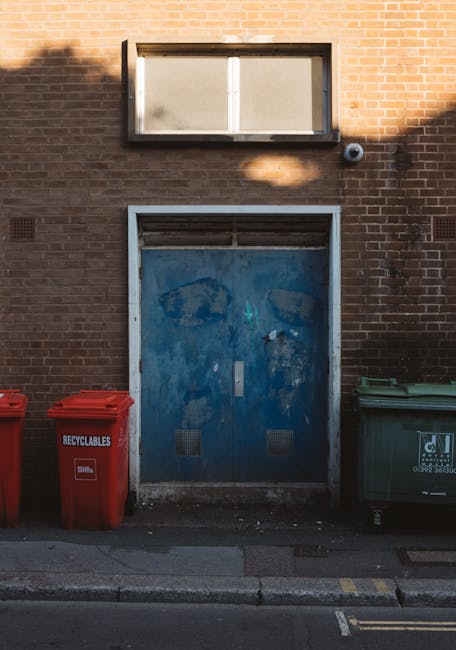
If you live in Chapel End estate and you're trying to get rid of rubbish in E4 without hiring a skip, you're not alone. A lot of people want a simpler option: no permit headache, no huge metal container outside for days, and no wondering whether the neighbours will quietly hate the sight of it. Chapel End estate skip free alternatives for rubbish in E4 can be a far better fit for flats, narrow access roads, garden clearances, and one-off bulky clear-outs.
In this guide, we'll look at the practical options, how they work, when they make sense, and what to watch out for. You'll also get a clear step-by-step process, a comparison table, and a realistic checklist so you can choose the right approach without faffing about.
Truth be told, most people don't need a skip for everyday household waste. They need a plan that is quick, compliant, and proportionate to the job. That's what this article is here to help you do.
Why Chapel End estate skip free alternatives for rubbish in E4 Matters
Chapel End estate has the kind of everyday layout that can make skip hire awkward. Shared spaces, limited parking, estate roads, and the usual flow of pedestrians all change the picture. A skip can be fine in the right place, but it is not always the neatest or most efficient answer. Sometimes it is overkill. Sometimes it becomes a permit issue. And sometimes, let's face it, it's just too much hassle for a few bulky items and a stack of bags.
Skip free alternatives matter because they give you more control. Instead of paying for a container that may sit half-empty, you can choose a service that matches the size of the job. If you're clearing a flat, emptying a garage, dealing with post-renovation offcuts, or getting rid of garden waste after a weekend of digging, a lighter-touch waste solution often makes more sense.
There's also the human side of it. If you live in a busy block or estate, you probably want less disruption, not more. A quick collection can be far easier than waiting around for a skip delivery and collection window. You may notice this especially on a wet weekday morning when the last thing you want is a lorry blocking access while everyone is trying to get out the door.
Practical takeaway: if the job is modest, awkwardly placed, or time-sensitive, a skip free rubbish solution often saves time, stress, and a bit of money too.
How Chapel End estate skip free alternatives for rubbish in E4 Works
At a simple level, skip free rubbish removal means the waste is collected without leaving a skip on site. The collection method depends on the type and volume of rubbish, the access at your property, and how quickly you need it gone. In practice, it usually falls into one of a few categories: man and van collection, wait and load, grab hire, bag-based removal, or a specialist clearance service.
Each option works differently, but the underlying process is fairly similar:
- You list what needs removing.
- You estimate the amount and type of waste.
- You choose the most suitable collection method.
- The waste is loaded, sorted, and taken away.
- Recyclable material is separated where possible.
If you have a small load, a man-and-van style service can be ideal. The team arrives, loads the waste from inside, outside, or the kerbside, and leaves you with a cleared space. If the access is tight but you can bring the rubbish out yourself, wait-and-load may be the cleanest option. If you have a larger, heavier pile of waste on driveway or hard standing, grab hire can be a smart middle ground because it handles bulky material quickly.
The main thing to understand is that skip free does not mean less professional. It just means the collection method is different. In many cases, it is actually more practical. For example, if you are clearing an old sofa, a broken wardrobe, and a few bags from a loft, why pay for a skip if the load can be removed in one visit?
For mixed waste, it helps to sort items before collection. That saves time and reduces confusion at pickup. If you're not sure what can be accepted, a page like what can go in a skip can still be useful as a general reference point, because the same basic waste categories often apply to other collection methods too.
Key Benefits and Practical Advantages
There are several solid reasons people choose skip free alternatives instead of a traditional skip. Some are obvious. Others only become obvious when you've been through a messy clear-out once or twice.
- No skip permit worries: If you can avoid placing a skip on the road, you may avoid permit paperwork altogether.
- Better for restricted access: Estate roads, narrow drives, and shared entrances are often easier to manage with a collection team than with a skip truck.
- Less disruption: Waste can be removed quickly, rather than sitting outside for days.
- More flexible for smaller jobs: You only pay for the waste you actually have.
- Useful for one-off clearances: Ideal for lofts, garages, flats, sheds, and post-refurb clean-ups.
- Can be tidier: Good crews load and sweep up, which makes a difference when you're dealing with dust, splinters, or that oddly stubborn bit of plaster that gets everywhere.
Another big advantage is timing. If the job has to happen today or tomorrow, a skip free option can sometimes move faster than organising a permit-backed skip. That matters when you're in the middle of a move, expecting a delivery, or simply tired of looking at a pile of junk in the hallway. We've all been there.
There's also less visual clutter. On a residential estate, that counts for a lot. A clean frontage feels better for you and for everyone else walking past with shopping bags, dog leads, or school runs in hand.
Who This Is For and When It Makes Sense
Skip free rubbish removal in E4 is a strong fit for people who want convenience without unnecessary scale. The most common users are:
- Flat residents with no room for a skip
- Households clearing a loft, shed, garage, or spare room
- People replacing furniture or appliances
- Landlords between tenancies
- Homeowners doing small renovation jobs
- Gardeners dealing with branches, soil, and cuttings
- Small businesses needing occasional waste removal
It makes sense when the load is not huge, but still too awkward to deal with through ordinary household bins. A few black bags are one thing. A pile of broken shelving, carpet underlay, and old boxes is another. If you can get the waste to a collection point, or if the team can access it easily, skip free removal is often the neatest option.
It may not be the best fit if you have a major construction project, large volumes of hardcore, or repeated heavy waste over several weeks. In those cases, a more structured service such as builders waste removal or construction waste disposal may be more appropriate. No point pretending a small van collection is the right hammer for every nail.
If your job is mixed and includes bulky items, appliance removal, and general rubbish, options like rubbish removal or man and van can be particularly useful because they are built around flexible loading rather than container hire.
Step-by-Step Guidance
Here's the simplest way to approach Chapel End estate skip free alternatives for rubbish in E4 without overthinking it.
- Identify the waste type. Separate general household rubbish, furniture, garden waste, DIY waste, and anything hazardous. Mixed waste is fine in many cases, but the more clearly you can describe it, the better.
- Estimate the amount. Think in practical terms: one sofa, six bags, a quarter garage, a van load, two van loads. You do not need to become a waste-volume expert. Just give a fair estimate.
- Check access. Can a van park close by? Is there a lift? Are there stairs? Is the waste already on the ground floor or still in the loft? These details matter.
- Choose the collection method. Small and simple often means man and van. Larger but still manageable may suit grab hire. Very tight access may call for wait-and-load.
- Sort out any items that need special handling. Fridges, mattresses, paint tins, and electricals may need separate treatment. Better to mention them early than get stuck later.
- Book a time that suits the estate. Think about parking, neighbours, and building rules. Early morning can be quieter, but not if everyone's trying to leave for work at the same time.
- Prepare the waste. Put it in one place where possible. Break down cardboard. Tie bags securely. Remove small loose items so they do not scatter in the wind.
- Confirm loading and disposal expectations. Ask how the waste will be handled, whether recycling is included, and whether there are any items they cannot take.
A useful habit is to over-prepare by a little, not a lot. That means tidying the waste into an accessible pile, but not spending half the day reorganising your entire home. You still need your energy for the job itself.
Expert Tips for Better Results
Here's where small choices make a surprisingly big difference.
Tip 1: Group waste by material where it's easy to do so. Cardboard with cardboard. Wood with wood. Garden waste in one place. It can speed up loading and make recycling easier. You do not need surgical precision here. Just a bit of common sense.
Tip 2: Be honest about awkward items. Tell the collection team if there's a piano stool, a broken tumble dryer, or a mattress that has seen better days. Surprises are fine at birthdays, not so much during waste collection.
Tip 3: Use the right service for the access you actually have. A beautiful driveway does not help if the waste is in a top-floor loft. Likewise, a van collection can be perfect where a skip would be a nuisance.
Tip 4: Think about recycling before collection day. A lot of people leave reusable items until the last minute, then bin them out of convenience. If a sofa, cabinet, or appliance can be reused, donate or repurpose it first. If not, choose a disposal route that prioritises recovery.
Tip 5: Keep an eye on timing. If you're clearing after a move, a tenancy handover, or a delivery slot, book a collection before the pressure hits. That one simple move can save a lot of scrambling.
Tip 6: Ask for clarity on load size. In the rubbish world, "roughly a van load" can mean wildly different things to different people. A quick, clear description helps avoid misunderstandings.
Tip 7: Don't overfill walkways or shared areas. On Chapel End estate, keeping access clear is more than just considerate. It helps everyone stay safe and makes the collection faster.
To be fair, the best jobs are often the boring ones: well described, well timed, and well loaded. Nothing glamorous. Just efficient.
Common Mistakes to Avoid
Most waste jobs go smoothly when people avoid a handful of predictable mistakes.
- Guessing the volume too low: If you understate the amount, the vehicle or time slot may not be enough.
- Mixing restricted items with general waste: Some materials need special handling, and not mentioning them can delay collection.
- Leaving everything until the last minute: A rushed clear-out usually creates more stress than it saves.
- Forgetting access issues: Tight turns, permit bays, locked gates, and low branches can all matter more than you think.
- Assuming all rubbish is the same: Garden waste, builders waste, appliances, and confidential documents can each need a different approach.
- Choosing the wrong service for the job: A tiny collection may be overkill for a skip, but a major renovation is not the time to improvise with bin bags.
One of the sneakiest mistakes is failing to check whether a bulky item is actually fit for a standard collection. For example, a waterlogged mattress or an old fridge can be more awkward than it looks. If in doubt, mention it early. Saves a lot of back-and-forth.
Tools, Resources and Recommendations
You do not need much to make this easier, but the right tools do help.
- Heavy-duty bin bags: Better for secure handling than thin sacks that split on the way down the stairs.
- Gloves and basic protective gear: Useful for dusty lofts, sheds, or sharp-edged debris.
- Tape, labels, and marker pens: Handy if you want to mark items for reuse, recycling, or disposal.
- A tape measure: Not thrilling, but very useful if you need to judge whether furniture will fit through a doorway or into a van.
- Photographs of the waste: These help when requesting advice or a quote. A quick photo often explains more than five paragraphs.
For service selection, it helps to compare a few dedicated options. A page like skip sizes and prices can be useful if you are weighing skip hire against alternatives. Meanwhile, waste recycling services and recycling and sustainability are helpful if your main concern is making sure as much material as possible is recovered responsibly.
If you are dealing with a particular type of item, there are also more specific services worth knowing about. For example, fridge and appliance removal is a better fit for white goods than a general pile of mixed rubbish, while mattress and sofa disposal can take the pressure off with bulky household items. For a bigger clear-out, house clearance or garage and loft clearance may be the more sensible route.
Law, Compliance, Standards, or Best Practice
Waste disposal in the UK comes with basic responsibilities, even when you are only clearing a small amount from home. The main principle is simple: rubbish should be handled safely, transferred to an appropriate carrier, and taken to a legitimate disposal or recycling route. You do not need to become a legal expert, but you should be careful about who takes your waste and where it ends up.
As a householder, the key best practice is to use a reputable waste carrier, describe your waste honestly, and avoid leaving rubbish in communal areas where it could create obstruction or nuisance. If you are in a managed estate or rented property, check building or lease rules too. Sometimes the building has its own expectations for access, loading bays, or collection times, and yes, that tiny detail can make a big difference on the day.
Hazardous or specialist items need extra care. Paint, chemicals, certain electricals, and other controlled materials should not be treated casually. If you are unsure, ask before collection. Better a slightly awkward question than an avoidable problem later.
For general peace of mind, look for clear communication about insurance, handling, and what happens to the waste after collection. Pages such as insurance and safety and health and safety policy are helpful signals of how a provider approaches the practical side of the job. You may never need to read them line by line, but knowing they exist is reassuring.
Best practice in plain English: choose the right collection type, separate what can be separated, keep access clear, and make sure the waste is removed responsibly. Simple, but it works.
Options, Methods, or Comparison Table
Not every rubbish job in Chapel End estate needs the same answer. Here's a straightforward comparison to help you decide.
| Option | Best for | Strengths | Watch-outs |
|---|---|---|---|
| Man and van | Mixed household rubbish, furniture, small clear-outs | Flexible, quick, good for awkward access | Needs clear volume estimate |
| Wait and load | Restricted parking, estate roads, short collections | No skip left on site, fast turnaround | Waste should be ready to load promptly |
| Grab hire | Heavier loads, larger piles, garden or rubble-heavy waste | Good for bulk, efficient loading | Needs workable access and pile placement |
| Traditional skip hire | Longer projects, ongoing waste, renovation work | Useful if you produce waste over time | Permit and space issues can apply |
| Specialist clearance | Lofts, garages, houses, offices, bulky items | Hands-off, convenient, tidy finish | May be more service-specific |
If your job is mainly domestic and fairly contained, a lighter collection option often makes life easier. If it's a bigger project with ongoing debris, a structured hire approach may be better. The good news is you do not have to guess blindly. A decent provider can usually help you match the job to the method in a minute or two.
Case Study or Real-World Example
Here's a realistic example. A resident on Chapel End estate wants to clear a spare room before new flooring is fitted. The room has an old bed frame, two broken shelves, several sacks of mixed rubbish, and a few bits of packaging from the new furniture order. There is no good place for a skip, the parking is tight, and the resident would rather not deal with a permit.
In that situation, a skip free option makes a lot of sense. The resident could separate the cardboard and small recyclables, stack the furniture pieces near the front door, and arrange a man and van collection for one morning slot. The waste is gone in one visit, the room is ready for the flooring team, and the estate does not have a skip sitting around for three days collecting drizzle and dust.
Now compare that with a garden overhaul involving soil, branches, hedge cuttings, and broken paving. That job might be better suited to a heavier-capacity option like grab hire or a dedicated garden waste collection. Different job, different tool. Simple really.
That kind of decision-making is what saves people time. Not perfection. Just the right fit.
Practical Checklist
Use this before you book anything.
- Have you identified the main waste type?
- Do you know roughly how much needs removing?
- Have you checked access, parking, and any estate restrictions?
- Are any items bulky, heavy, or specialist?
- Have you separated reusable or recyclable items where practical?
- Do you know whether the collection needs to be same day or can wait?
- Have you taken photos to help explain the load?
- Are all bagged items sealed and safe to lift?
- Have you confirmed whether hazardous items are excluded?
- Do you know where the waste will be taken after collection?
If you can tick most of those boxes, you are in good shape. If not, pause for ten minutes and sort the basics out. That little bit of preparation usually pays for itself.
Conclusion
Chapel End estate skip free alternatives for rubbish in E4 are often the most sensible choice when access is tight, the job is moderate, or you want less disruption than a traditional skip brings. For flats, estates, garage clearances, bulky items, and one-off clean-ups, they can be cleaner, quicker, and better matched to everyday life.
The key is to choose the right method for the waste in front of you. Think about access, volume, item type, timing, and how much hands-on help you want. Once you do that, the decision becomes much easier. No drama, no guesswork, just a practical solution that fits the job.
Get a free quote today and see how much you can save.
And if you only take one thing from this guide, make it this: the best waste solution is the one that gets the job done without making the rest of your day harder.
Frequently Asked Questions
What are the best Chapel End estate skip free alternatives for rubbish in E4?
The best option depends on the load. For general household waste and furniture, man and van collection is often the easiest. For tight access, wait and load can be ideal. For heavier piles, grab hire may be the better fit.
Is skip free rubbish removal cheaper than hiring a skip?
Sometimes, yes, especially for smaller loads. If you only have a modest amount of rubbish, paying for a full skip can be unnecessary. The most accurate answer depends on volume, access, and the type of waste.
Can I use skip free collection for garden waste?
Yes, garden waste is often a very good match for skip free services. Branches, cuttings, and soil can usually be handled, though very heavy or mixed loads may need a different approach.
Do I need a permit for skip free rubbish removal?
Usually not, because nothing is left on the road in the same way as a skip. That said, access and parking still matter, so it is worth checking where the vehicle can stop.
What if I have furniture and general rubbish mixed together?
That is common. A mixed load can usually still be collected, as long as you explain what is included. Separating smaller recyclable items beforehand can make the process smoother.
Are there items that cannot go with general rubbish removal?
Yes. Certain hazardous or specialist items need separate handling. If you have paint, chemicals, or similar materials, mention them before booking so you get the right advice.
How do I know which service I need?
Think about size, access, and urgency. Small and mixed loads often suit man and van. Tight time slots may suit wait and load. Heavier, bulkier waste may be better for grab hire or a clearance service.
Is skip free rubbish removal suitable for flats on Chapel End estate?
Very often, yes. Flats usually benefit from collection methods that do not require a skip to sit outside for days. If stairs, lifts, or parking are awkward, tell the provider in advance.
Can I get same-day rubbish removal in E4?
Sometimes you can, depending on availability and the size of the job. Same-day options are often possible for smaller loads, but it is best to book as early as you can.
What should I do before collection day?
Put waste in one place, bag it securely, separate anything reusable, and make sure access is clear. A bit of prep goes a long way. Honestly, it saves a lot of stress.
How can I make sure my waste is handled responsibly?
Choose a provider that is clear about collection, recycling, and disposal. Ask where the waste goes and whether recyclable material is separated. Responsible handling should feel straightforward, not vague.
What is the main benefit of choosing skip free alternatives over a skip?
The main benefit is flexibility. You avoid the size and placement issues that come with a skip, and you can often match the service much more closely to the amount of rubbish you actually have.